

Caring for your mind, body, and journey.
List of Contents
Patient Forms
Authorization for Medical Release
If you need a copy of your medical records sent to us from another office or sent from our office to another medical office, please complete and submit the form to us.Health History
Please complete this form prior to your first visit to our office.Patient Registration Form
Please complete this form prior to your first visit to our office.
Documents & Helpful Information
OB Documents
Prenatal
Labor/Delivery
Postpartum/Lactation
GYN Documents
GYN Surgery
Gyn General
Functional Women’s Health Documents
Books
Real Food for Pregnancy by Lily Nichols
The Mama Natural Week-by-week Guide to Pregnancy and Childbirth by Genevieve Howland
Childbirth Without Fear: The Principles and Practice of Natural Childbirth by Grantly Dick-Read
Ina May's Guide to Childbirth by Ina May Gaskin
Primal Moms Look Good Naked by Peggy Emch
Websites
Wellness Mama - Integrative medical blog for families
Aviva Romm, MD - Integrative medical advice/blog for women and children
Importance of Protecting Your Baby’s Microbiome from the Start
Evidence Based Birth Multitude of researched pregnancy and childbirth topics
Thrive Market - Online membership-based natural and organic shopping
KellyMom - My go-to for everything and anything on breastfeeding
VBAC.com - VBAC research and advocacy
Fullscript.com - High quality supplement database, 10% discount for my patients

Our office sells FreshTest for gestational diabetes screening.

Pregnancy Tips & Common Questions
Click HERE to download the PDF document.
-
Safe and encouraged during pregnancy. You may need to modify certain kinds of activities to your comfort. In general, it is best to avoid high-risk sports during pregnancy such as skiing. Let us know if you purchased a seasonal ski pass for Bogus; if you do not use it due to pregnancy, I’m happy to write a letter to support a refund. No scuba diving. Use more caution using a bike in the later second and third trimester. Avoid yoga poses that have an increased risk of losing balance or falling.
-
Most OTC, natural, and pharmaceutical-grade remedies are safe to use. Continue using any inhalers you have from prior to pregnancy. Oral steroids are safe when needed. For any acute allergic reactions, oral or topical Benadryl is safe according to package instructions. Please call or consider evaluation if you experience any swelling of the airway or trouble breathing.
-
All families who have established care for pregnancy will receive an “OB estimate” mailed home; this is based on your current insurance plan, deductible, and how much you would be responsible for out of pocket after delivery at this moment. This can be paid in full, split into monthly payments (preferred), or it must be paid at the time of your postpartum visit. You are not obligated to pay anything throughout; however we encourage our families to budget well to avoid a huge bill at the end. Any money overpaid throughout prenatal care will be refunded after delivery once insurance has processed all claims. Keep in mind you will also have a St. Luke’s hospital bill that will also go through insurance for mom and baby. If you need to reach anyone concerning billing questions, please call (or leave a message).
-
Inquire at your appointment who you’re interested in finding!
-
Common and can be normal in pregnancy due to increased blood flow to the pelvis. If pink or spotting, it is ok to monitor. Most of these episodes resolve on their own. For bright red or the volume that would require a pantyliner or pad, or if associated with cramping/pain, please call or consider evaluation.
-
Even in pregnancy, healthy gut function includes a daily, easy to pass bowel movement. This flushes your and your baby’s toxins from your body. Aim to stay regular a high fiber diet, adequate hydration, and magnesium supplementation to bowel tolerance (citrate is the best form for bowels). OTC fiber supplements, stool softeners, probiotics, Smooth Move tea, and enemas are safe to use when necessary. Diarrhea can be the body’s way of eliminating something toxic faster. The most important thing is to stay hydrated. Limit food for 24hrs or until symptoms improve. If diarrhea is accompanied by fever, abdominal pain, vomiting, etc., please call or consider evaluation.
-
We usually discuss the breast pump benefit at the 34wk appointment. It is normal that most insurance carriers provide a hospital grade, double electric breast pump benefit per pregnancy. You can claim this up to 12 months post-delivery. Please call your insurance and see how they would like this done, many take your information and then fax our office an Rx to be signed before they ship the pump to you. There is a typical allotment of cost for pumps as well, so if you are choosing a more luxury pump (hands-free) you may have to pay a difference in price.
-
There is no specific quantity that is considered dangerous but would advise no more than 1-2 cups per day of any caffeinated beverages.
-
Some recommended childbirth classes include - Confident Birthing (Baby Bump Services/Kyndal May), Katie’s Childbirth Ed (Katie Robinson), Boise Birth Village, Embryoga (Holly Lammer), St. Luke’s Childbirth prep (see the hospital website), Mama Natural Birth Course (online). Many local doulas also provide their own childbirth education.
-
Common during the second and third trimesters. Can be brought on by activity, intimacy, dehydration, position changes of baby, and normal uterine growth. Braxton-Hick contractions are all contractions that are not labor contractions and are typically milder and resolve on their own. Best remedies are rest, hydration, and a warm bath. If they do not resolve with conservative measures or if associated with other concerning symptoms, please call or consider evaluation.
-
As of December 2025, Dr. Hudson has had the privilege to assist and witness over 2000 babies make their entrance into the world!
-
Safe and encouraged during pregnancy. Local anesthetics in the mouth are safe, but would attempt to postpone any procedures that require IV sedation or general anesthesia until after delivery. Most dental antibiotics are safe, make sure your dentist knows of your pregnancy if they are to prescribe anything. X-rays are safe in the mouth, but request to wear a lead apron if not offered.
-
See other handout for general guidelines and nutrient-dense options for you and baby. There is no one pregnancy diet that serves everyone, however there are many diet-related myths out there. All food has the possibility of causing acute illness. Lunch meat, sushi, and soft cheeses are safe when stored, handled and served properly. Raw milk is safe. In general, I recommend to avoid ultra-processed, high in sugar or seed oil packaged “foods”. Go for a variety of choices every day and focus on high quality protein, fats, and vegetables. Avoid fast food whenever possible. I do not recommend calorie counting.
-
May be felt as early as beginning of second trimester but typically becomes daily around 22-24 weeks. Predictable fetal sleep-wake cycles start around 28 weeks and daily Fetal Kick Counts begin at 32 weeks. There is a lot of variation in movement but if baby is suddenly moving less or different from expected, you may attempt ice cold water or juice and going to a quiet room at home. If no improvement with this measure or there is a need for further reassurance, please call or consider evaluation either in the office or L&D triage.
-
- Usually self limited. If obvious source (respiratory illness) it can ride and be welcomed as part of your body’s immune system doing what it should. Any fever >102 degrees we would recommend a bath or Tylenol. If unknown source or sustained despite conservative remedies, please call or consider evaluation.
-
Almost every family brings FMLA paperwork as they plan for time off with baby around delivery time. Please read over these forms and know your employer’s benefits before handing them to us. FMLA ensures you cannot be fired or replaced during your time away, but it does not guarantee pay. We need your section on the form completed and signed (if applicable) and you must tell us how much time you are planning to take off. You are allowed 12 weeks maximum. If we don’t have this information, your paperwork will be delayed. The same recommendations are for short-term disability paperwork as well, however time-frames are a bit different. Vaginal delivery medical leave is up to 6 weeks, cesarean section leave is typically 8 weeks.
-
Pap screening, use of a speculum, vaginal ultrasound, and pelvic exams are safe. Avoid douching, boric acid, spermicides, and vaginal steaming during pregnancy.
-
Very common in pregnancy. Always try a high dose (600-800mg) of magnesium (glycinate or threonate forms are best) and/or take an Epsom salt bath for minimum 30min to absorb magnesium through the skin. Can use ice pack or cold cloth to the neck or head, dark room, sleep, hydration. Rub temples with lavender EO. May use Arnica homeopathy as directed. Common OTC remedies are Tylenol or Excedrin, and prescription pain meds are available in certain circumstances. Integrative therapies are also encouraged like massage to tight neck or back muscles, acupuncture, etc. Botox has not been studied in pregnancy and as a toxin, I would avoid. Please call or consider evaluation if a headache persists beyond these recommendations.
-
Common throughout pregnancy, especially in the third trimester. May try eating smaller meals, leaning upright upon going to bed, apple cider vinegar, lemon water. If you can identify food triggers, it is best to avoid them. Papaya enzymes are a helpful natural remedy, otherwise all OTC and pharmaceutical-grade meds are safe to take.
-
Very common thanks to much more blood flow and pressure on the pelvic floor. Witch hazel pads, coconut oil (with EOs), and OTC remedies are safe to use. There are some pharmaceutical-grade options as well. Banding and other surgical techniques are not performed during pregnancy, but a referral can be made after delivery if they do not resolve.
-
These are no longer done in big groups multiple times a week since the pandemic. It is part of the St. Luke’s hospital birth course however. However, an L&D RN can potentially accommodate a private tour if available. Please call L&D directly at 208-381-2651 to inquire.
-
The most important way to support your body during pregnancy. Aim for half your body weight (pounds) in ounces per day. If traveling, exercising, or spending a lot of time outdoors, add another 10-12oz. You may need to increase this further during Idaho’s dry summer months.
-
Safe and encouraged during pregnancy. It is common to experience cramping, increased discharge, or spotting afterward and this should resolve with time. May use water-based lubricants or coconut oil if needed. Some positions should be modified for comfort.
-
Typically begins with mild contractions that become more intense and more frequent overtime. Labor time is different for everyone and in general I encourage you to remain home as long as you are comfortable. The 4-1-1 rule typically advised is “contractions that are no more than 4 minutes apart for a minute long that go on for at least an hour”.
-
Most adults have immunity to the toxoplasmosis virus and it is extremely rare to get an infection from changing cat litter, especially if you only have indoor cats. You may choose to wear gloves if more comfortable, and always wash hands afterward.
-
This is a personal decision and I recommend you do research into the why and how. There are no studies to support any medical benefit. It is not performed in the hospital any longer, unless you are a patient of the St. Luke’s Children’s Pediatric clinic. If desiring to be done, plan for 8-10 days post birth at your pediatrician’s office. Inquire ahead to ensure that they are performed.
-
Increase hydration, electrolytes, and mineral supplementation (especially Magnesium). Start with 1-200mg with every meal, aiming for 6-800mg per day.
-
Can be caused by a whole host of reasons, most notably acute GI illness, food poisoning, or “morning sickness” in the first trimester due to pregnancy hormone. Limit your diet, focus on hydration with electrolytes, and if dehydration is becoming a worry please call or consider evaluation. Food poisoning typically subsides after 24-48 hrs., as do many viral illnesses. There are additional OTC and pharmaceutical-grade options for pregnancy-related N/V. Our office offers IV fluids and some meds but space is limited and cannot always be accommodated.
-
Very common in pregnancy, this is just some colostrum starting to form. Avoid breast/nipple stimulation to keep it to a minimum. Beyond 36wks, you can consider collecting it! You may hand express for 5-10min per day or gently use a breast pump on a low setting for the same time. We can provide sterile syringes for you to use and then freeze for delivery time.
-
Removal of skin warts, moles, skin tags, etc. are safe with and without local anesthetic. Using a cast, boot, splint, brace, scooter, crutches, etc. are safe in pregnancy. Getting x-rays are safe with a lead apron over the abdomen. Avoid any imaging contrast dye or surgery unless absolutely necessary. Getting chiropractic adjustments, acupuncture, facials, massage, OMT, physical therapy are all safe. Baths and pools are safe. In general, hot tubs and hot springs are safe as well (<102 degrees) but please get out upon feeling at all overheated.
-
Most common in the second trimester and brought on by the increase in blood volume. Can also be associated with thyroid issues, electrolyte/mineral issues (low Magnesium), and anemia. Most episodes are mild, short lived, and resolve on their own. If associated with chest pain, shortness or breath, or fainting, please call or consider evaluation.
-
Very common throughout pregnancy. Most episodes are mild, short lived, and resolve on their own. Anything that doubles you over or is associated with additional symptoms such as abnormal discharge or bleeding please call or consider evaluation.
-
Most are used safely. If you are taking any prescriptions upon getting pregnant please let us know. There are some medications that require extra monitoring or have risks to the early developing baby.
-
Common during pregnancy. Many are not dangerous or contagious and will resolve on their own with time. Oral or topical Benadryl and topical hydrocortisone cream are safe to take according to package instructions. Please call or consider evaluation if you experience a herpes related outbreak during pregnancy.
-
Consider “Sick kit” recommendation of supplements (vitamin C 2-3000mg daily, D3/K2 10,000IU daily, and zinc 30-50mg daily for 5-7 days around illness) to boost the immune system, Neti pots, humidifier, EO diffusion, nebulizer, lozenges. Immune boosting teas, herbal remedies and elderberry products are typically safe. OTC remedies for flu/ cold are typically safe to use as directed on package. Acupuncture to the sinuses and chiropractic to the cervical spine and ears can be very relieving. If symptoms are accompanied by high fever, trouble breathing, etc. please call or consider evaluation.
-
Generally safe to use hair dyes, sunscreens, self-tanners, nail polish, makeup, henna, hair removal products, masks, wax. I personally would recommend reducing or avoiding these as much as you can to reduce chemical exposure during pregnancy. Avoid getting a tattoo. Piercings are safe but would ensure a trusted and clean facility.
-
One of the most difficult to remedy during pregnancy, especially in the third trimester. Use a relaxing bedtime routine, purchase pregnancy pillows. Keep the bedroom dark and at a comfortable temperature. Make up for sleep during the day with a nap if you can. Most OTC and natural remedies are safe and there are safe pharmaceutical-grade options available if absolutely needed. Melatonin is safe, keep dosing 1-3mg per night.
-
Labor & Delivery, Triage, Antepartum, and the NICU are all located on the hospital’s 2nd floor. The most common entrance utilized when needing these units is through the ER; it is open 24-hours and their sign-in desk will get you wrist-banded and provide instructions on how to get upstairs. Parking is directly across from the ER on street-level or on the attached below-grade parking garage. The Mother-Baby unit (where you transfer to after delivery) is on the 8th floor. All birth rooms are private, have a jetted tub with detachable shower head, yoga ball and peanut ball. L&D also has birthing stools, birthing bars, and personal fans upon request.
-
It is best to avoid all alcoholic beverages, cigarettes, vaping chemicals, and street drugs completely. Despite limited research, CBD products are used in many ways safely.
-
More often today thanks to our body mechanics, babies find themselves in the “OP” or “occiput posterior” position come the start of labor. Even though they can deliver this way, it creates a much longer and painful labor experience and many times causes labor to stall altogether. This is the most common reason I perform cesarean sections in my practice. I highly recommend that all pregnant women begin the exercises given at the 28wk appointment and look into the www.spinningbabies.com website to learn how you can maneuver your baby into a more optimal position to avoid extra interventions.
-
Most common in the third trimester but can be experienced anytime, especially after sitting for long period and travel. May also have swelling in hands and face. Do not restrict hydration if experienced. Elevating legs/feet and use of compression hose can be helpful. If you experience a sudden onset of swelling/weight gain, consider giving us a call.
-
Airline and road travel is generally safe up to 36 weeks gestation. I recommend avoiding the airport security X-ray and opt for the metal detector instead. For road trips, ensure stopping often to stretch legs and remain hydrated. Feel free to discuss any planned trips at an appointment for more specific information. Airlines have not required any medical documentation to travel for many years, and it is a generally “fly at your own risk” policy.
-
Can be normal in pregnancy. However, if uncomfortable or associated with bladder pain, blood in the urine, fever, etc. please call or consider evaluation. May attempt cranberry capsules or D-Mannose first but if symptoms do not improve after 24 hours you should have your urine tested. UTIs can become kidney infections quickly.
-
Thanks to pregnancy hormones, discharge increases in volume and can vary in color and consistency. Anything that doesn’t have bothersome symptoms such as itching, burning, or foul odor is normal. Mucous streaks or “plugs” can also be normal, especially in the late third trimester. Unfortunately, there is no prediction of labor start when it expels. If above symptoms are being experienced, please call or consider evaluation.
-
Pregnant women are more prone to spider veins, especially in the legs and vaginal opening/labia. Compression hose can be helpful if in the lower legs, and an abdominal support belt can help with higher ones. There is also a special brace for uncomfortable labial veins. No specific remedies make a huge difference, but ice can be soothing. Laser treatments and other surgical techniques are not performed during pregnancy, but a referral can be made after delivery if they do not resolve.
-
Pregnant women experience vision changes due to pregnancy hormones and may find themselves squinting more or having blurriness. It is safe to have an eye exam but it is encouraged not to change your prescription of any contacts or glasses. Eye changes are typically temporary and should return to baseline after delivery.
-
Does not normally precede contractions/labor. If clear and without odor or blood, you can remain home and wait for labor to start. If there are no regular or painful contractions by 12 hours after water breaking (unless GBS swab positive, then no more than 4 hours), I recommend evaluation at the L&D triage. Volume can vary, and I suggest wearing a pad or pantyliner to monitor closer. If pad soaks over time, it is likely a positive sign.
Pregnancy Loss
We are deeply sorry you came to this section of our website. Learning this news brings a mix of emotions to include shock, sadness, anger, anxiety, confusion, and grief. It is also normal to want to know why a miscarriage has happened. In most cases it is a natural event that could not have been prevented, and blame should not be placed on yourself.
A miscarriage is the loss of a pregnancy during the first 20 weeks. Pregnancy loss that occurs after 20 weeks is termed an intrauterine fetal demise (IUFD). Most miscarriages happen because the embryo does not develop properly due to genetic/chromosomal reasons. Miscarriages are sadly very common, 1 for every 3-4 pregnancies. You can even have a miscarriage before you know you are pregnant.
There is no treatment that can stop a miscarriage, however there are some causes that may be prevented. Many miscarriages pass naturally on their own, but some require medical assistance. If you are having a miscarriage, you may be offered a few treatment options. But your options may depend on your stage of pregnancy during miscarriage, your symptoms, and your current health. Each option can be safe and effective. Treatment options may include:
Watchful waiting. As long as you are not experiencing heavy blood loss, a fever, weakness, or other signs of infection, you can let a miscarriage follow its own course. This period of waiting, called expectant management, allows the miscarriage to end naturally while your provider watches for and treats any complications. There will be weekly check-ins via phone or in person. After tissue passage, there will be either labs, imaging, or a home pregnancy test to ensure complete resolution.
Medicine. Mifepristone and misoprostol can be used to help the uterus pass the pregnancy tissue. This may be done at home. Medicine takes longer than a procedure to clear the uterus of tissue, and it can cause pain and other side effects. There will be weekly check-ins via phone or in person. After tissue passage, there will be either labs, imaging, or home pregnancy test to ensure complete resolution.
A surgical procedure. Dilation and curettage (D&C) clears the uterus of pregnancy tissue. These procedures offer the quickest treatment for a miscarriage and the quickest return to regular cycles and fertility. A surgical procedure has some rare risks, such as uterine scarring, perforation, or infection. It can also cause some cramping or pain but is typically mild. These procedures are performed in the hospital under mild anesthesia. There is typically no post-procedure office follow up.
Expectations: Cramping that is usually tolerable at home with conservative (heating pad, Epsom salt bath) and/or OTC medications (Arnica, Ibuprofen, Tylenol, Midol, etc.). Expect a heavier and more intense menstrual period. Bleeding can last from 1-4 weeks but should lighten with time. After a D&C, women typically experience spotting for several days. During and following any of the above, there are no restrictions to activity or intimacy and you should let your body be your guide to what is comfortable.
Precautions: Please notify us if you are saturating more than 1 menstrual pad an hour for 2 hours, pass clots larger than the palm of your hand, develop a fever over 100.4F, have foul smelling discharge, or feel dizzy, faint, or unwell.
Aftermath: Grieving is a personal experience. Depending on who you are and the nature of your loss, your process of grieving will be different from another person's experience. There is no "normal and expected" period of time for grieving. Grieving can cause problems such as headaches, loss of appetite, or trouble with thinking or sleeping. You may withdraw from friends and family or behave in ways that are unusual for you. Grief may cause you to question your beliefs or views about life. Be patient and kind to yourself. Remember that the difficult emotions you are having are normal. Do activities you enjoy, and find ways to express your feelings like writing. A healthy pregnancy is usually possible after a miscarriage. This is true even after repeated miscarriages. If you would like to try to get pregnant again, it is safe when you feel ready.
Resources: To help you and your family cope with your loss, consider meeting with a support group, reading about the experiences of others, and talking to friends, a counselor, or faith leader. If you desire a referral to a local resource, please ask!
Maternal Mental Health Hotline - 1.833.TLC.MAMA (1.833.852.6262)
Postpartum Support International - postpartum.net, 1.800.944.4773
Share Pregnancy & Infant Loss Support - nationalshare.org
Miscarriage Matters, Inc. - mymiscarriagematters.org
March of Dimes - marchofdimes.org/loss
Please utilize 911 for emergency services, or go to the nearest emergency room for urgent care especially after hours when our office is closed.
190 E. Bannock St.
Boise, ID 83712
General Information Line: 208-381-2222
Labor and Delivery: 208-381-2651
St. Luke’s Boise
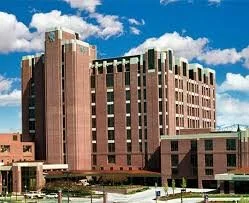
Virtual Birth Tour
Lab Work & Local Labs
Wildflower OBGYN currently does not have a contract with a local lab phlebotomist service in our office. However, we can draw blood when needed and send specimens to any lab in the valley via courier pick-up. The closest labs to our office are:
St. Luke's Boise Hospital (main lobby)- 190 E Bannock St. Mon-Fri 6:30a-6p, Sat 8:30a-1p
St. Luke's Anderson Plaza Draw Station- 222 N 2nd St, Suite 109. Mon-Fri 8a-4p
St. Al's Treasure Valley Lab at WHA - 333 N 1st St, Suite 240. Mon-Fri 8a-4p
Quest Diagnostics - 1907 S Broadway Ave. Mon-Fri 8a-5p, Sat 8a-2p (appointment required)
Check Your Insurance
We take many commonly known insurances, some include:
AETNA, Aetna2, Blue Cross, Blue Shield, Cigna, Health 2 Business, HMA, Medicaid, Meritain Health, Regence Group, Select Health, Self/Cash pay, St. Luke's Health Plan, TriCare West Region, and United Health Care.
Is your plan not on the list? Fill out the form with your insurance information and we’ll be in touch shortly.